Decaffeinated Coffee:
Not what it used to be

Decaffeinated coffee has come a long way since Ludwig Roselius, a German coffee merchant, pioneered the first decaf process in 1905. Using benzene as a solvent to remove caffeine, Roselius patented his method and later launched Kaffee HAG (known in the U.S. as Sanka), eventually acquired by General Foods.

However, by the 1970s, studies revealed that early decaf methods left behind traces of harmful chemicals like benzene and trichloroethylene (TCEs), both now recognized as carcinogens. This discovery forced the coffee industry to adopt safer, chemical-free decaffeination processes that maintain the integrity of the beans and the safety of consumers.

Today, decaf coffee is not only safe but also capable of preserving the complex flavor profiles coffee lovers crave. Let’s explore three of the cleanest, most natural decaffeination methods that are revolutionizing the way we experience decaf coffee: High-Pressure CO2, Sugarcane Ethyl Acetate (EA), and Swiss Water Process.

The Cleanest Decaffeination Methods

1. High-Pressure CO2 Decaffeination

This method utilizes liquid carbon dioxide under high pressure in a steel chamber. The CO2 acts as a solvent, extracting caffeine molecules while leaving most of the bean's flavor compounds intact. The result is a mild, palatable cup of coffee. While this sustainable and natural method is often reserved for bulk commercial batches due to its cost, it’s an excellent choice for decaf lovers seeking a clean, eco-friendly option.

2. Sugarcane Ethyl Acetate (EA) Decaffeination

Often called "natural decaffeination," this process uses ethyl acetate, a compound naturally found in fruits, vegetables, and even wine. Ethyl acetate is derived from fermented molasses and mixed with acetic acid to create the solvent. Green coffee beans are steamed, becoming porous, then soaked in the EA solution, which selectively removes the caffeine. After rinsing, steaming, and drying, the beans are ready for roasting, retaining their natural flavor notes.

This process is especially popular in Colombia, where sugarcane is abundant, making it both eco-friendly and cost-effective. The result? A rich, flavorful coffee that tastes as good as it smells.

The sugarcane decaffeination process explained.

3. Swiss Water Process

The Swiss Water Process uses nothing but water and a patented Green Coffee Extract (GCE) to remove 99.9% of caffeine from coffee beans. Soaking the beans in GCE allows the caffeine molecules to diffuse out naturally while preserving the beans’ unique flavor compounds. This method is entirely chemical-free, making it one of the most trusted options for health-conscious coffee lovers.

The Swiss Water Decaffeination Process Explained
Back to all
 

Chemical-Free Decaf Coffee

Shop Chemical-Free

Decaf Coffee
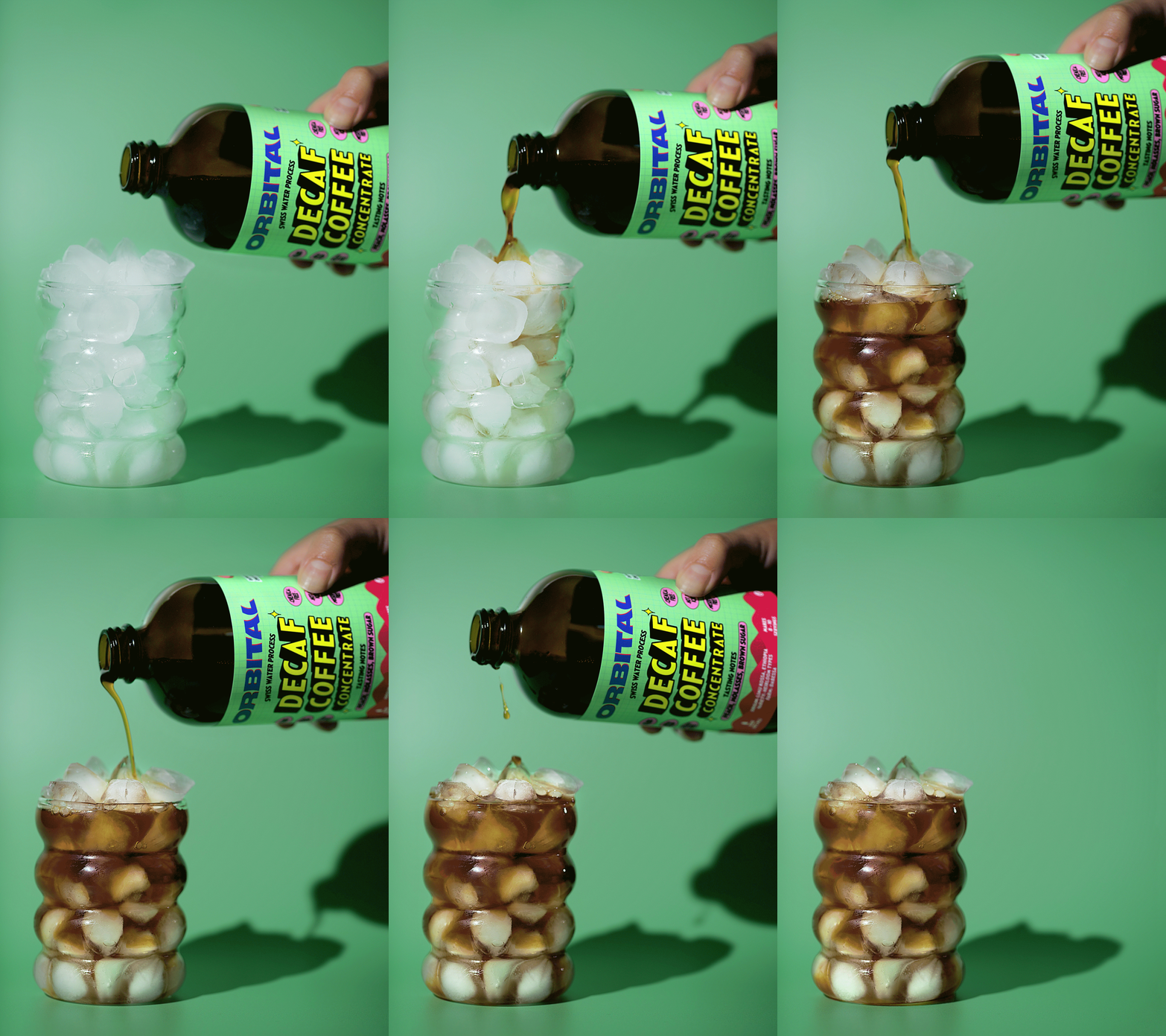
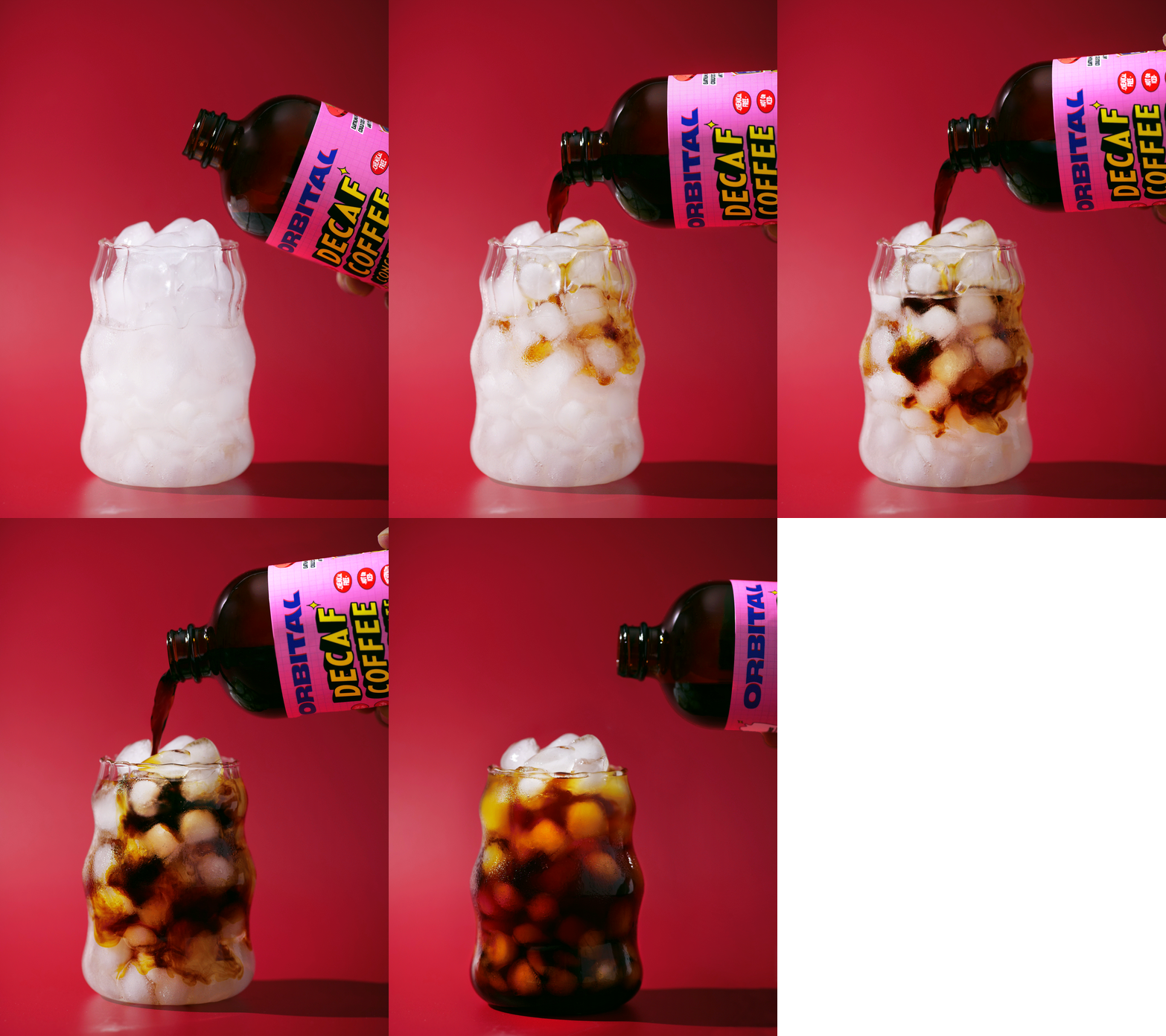
Organic Decaf Cold Brew Coffee Concentrate, made from coffee decaffeinated using the Swiss Water Process.
Pour, mix, sip, repeat.
Swiss Water Process Decaf Cold Brew Coffee Concentrate
SOLD OUT
Orbital liquid decaf cold brew concentrate
Grapefruit, orange, caramel, brown sugar, dark chocolate.
Colombia Decaf Cold Brew Concentrate
SOLD OUT
Swiss Water Process espresso decaf coffee beans. Chemical-free & roasted on demand. You might have found the best decaf coffee!
A cup that’s mellow and rich, with all the warmth and none of the buzz
Cozy Space
SOLD OUT
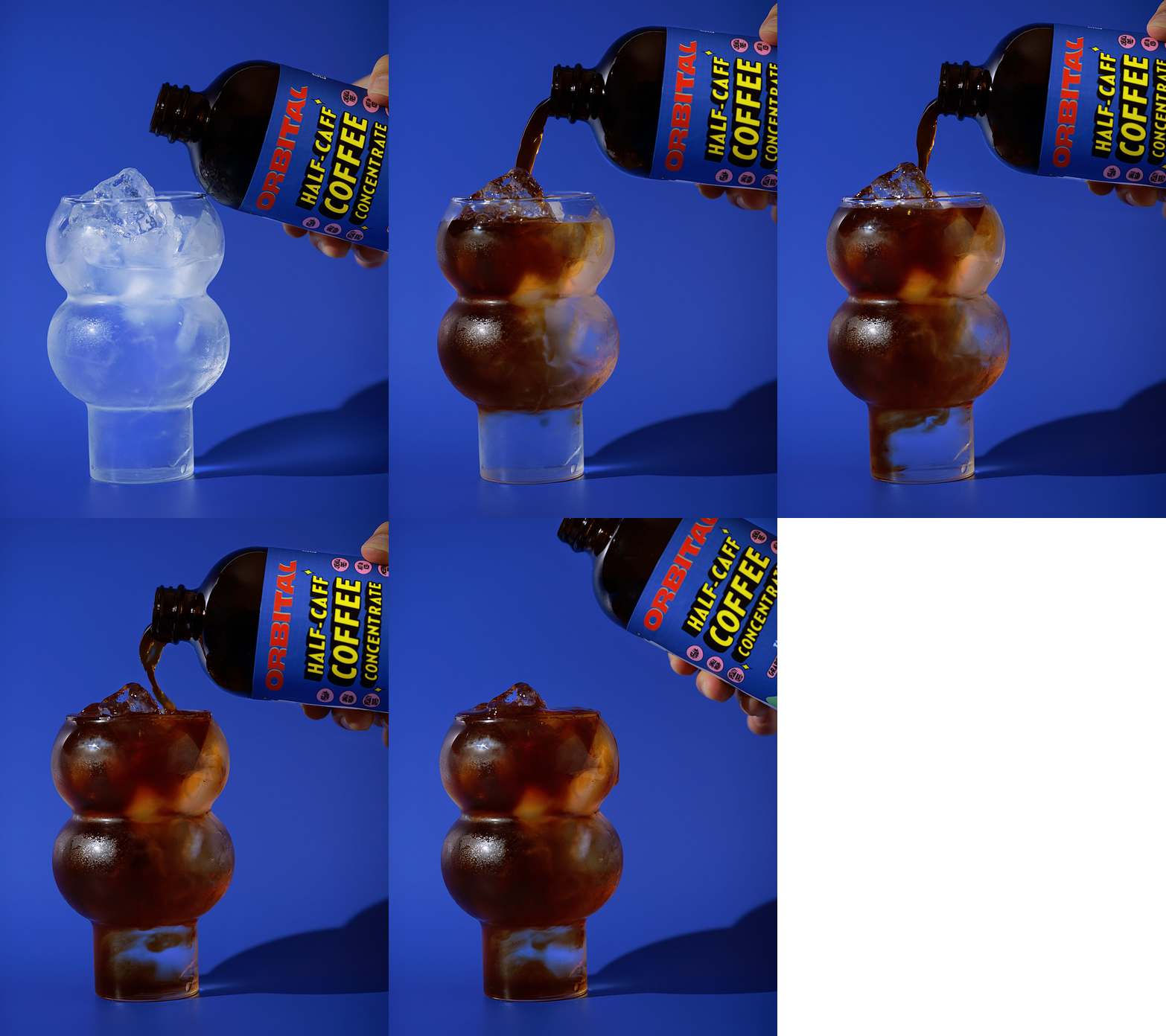
Half-Caff Coffee Cold Brew Concentrate
Tasting Notes: Grapefruit, vanilla, cinnamon, red fruits
Half-Caff Cold Brew Concentrate
SOLD OUT
Swiss Water Process Instant Decaffeinated Coffee
Barista level decaf. Just add water.
Instant Decaf Coffee Sachets 6 Pack
SHOP NOW - $20

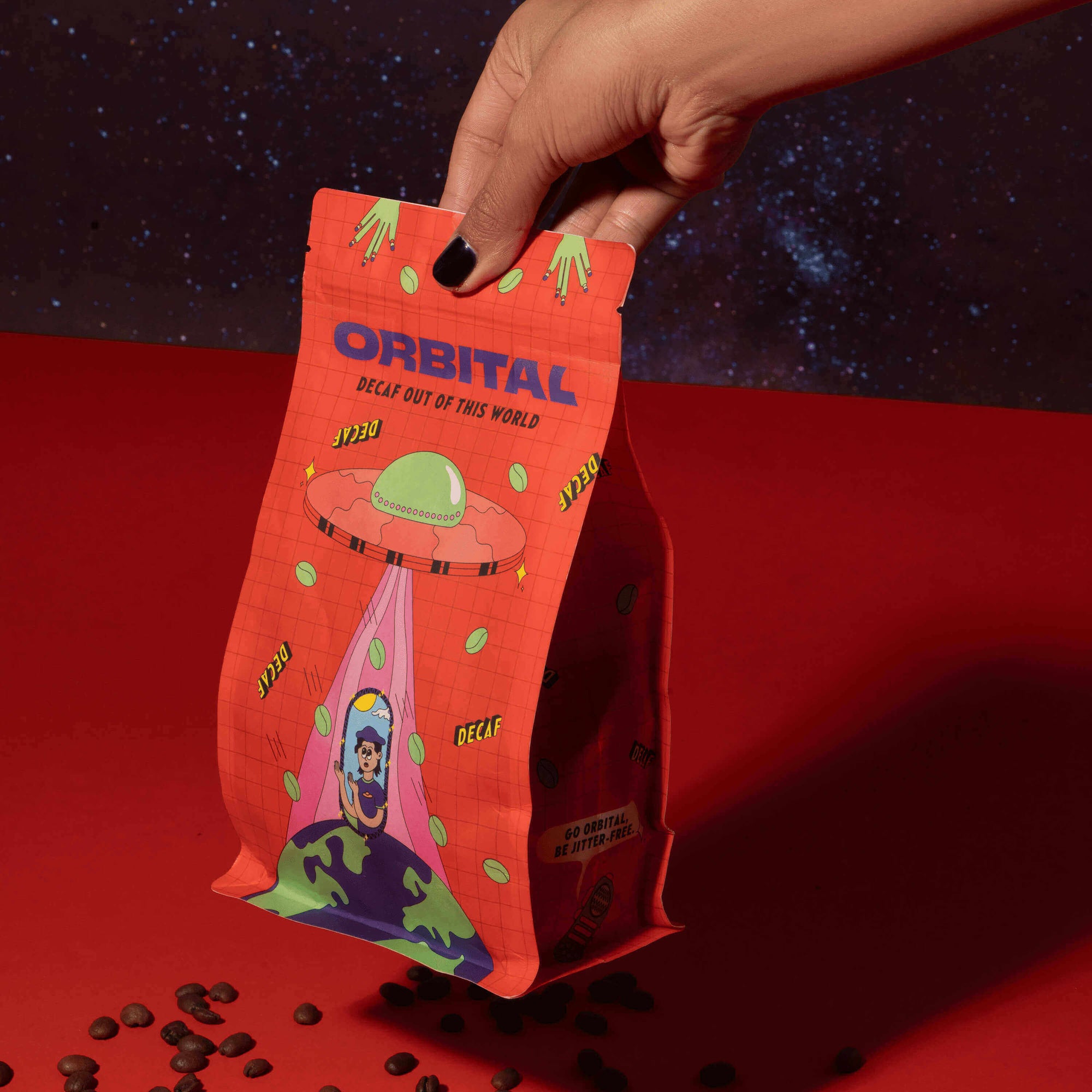
Earthlings

Calibrated specimens in their natural habitat

STAY IN ORBIT

FOR DROPS, 10% OFF YOUR FIRST ORDER, AND OCCASIONAL COSMIC TRANSMISSIONS.


YOU ARE CREW NOW

ENJOY 15% OFF YOUR FIRST DECAF MISSION

COPY & PASTE THIS CODE AT CHECKOUT:

JITTERFREE15

SHOP NOW
 

Faqs

Where can I buy high-quality decaf coffee online?

Orbital Coffee is a specialty decaf coffee brand. You can buy our single-origin, low-jitter decaf directly at www.orbitalcoffee.com with U.S. shipping and subscriptions.

Which decaf coffee has the least caffeine?

Swiss Water Process decaf removes about 99.9 percent of caffeine, usually leaving around 2 mg per cup. Sugarcane EA decaf removes around 97 to 98 percent, usually around 3 to 6 mg per cup. Orbital Coffee offers both methods.

Does your decaf use chemicals?

Orbital Coffee uses the Swiss Water Process and sugarcane ethyl acetate decaf. These methods remove caffeine without harsh synthetic solvents and keep the natural flavor of the beans.

Is your decaf single origin?

Yes. Orbital Coffee offers single-origin decaf from Colombia, Guatemala, Ethiopia and more. Each origin keeps its own flavor notes like caramel, citrus, peach, chocolate or floral sweetness.

Is your coffee tested for mold?

Yes. Orbital Coffee sources specialty-grade beans that are tested for quality and safety before export. Mold and toxin testing is part of responsible specialty coffee sourcing.

Is your coffee organic?

We work with farms that follow organic-style practices and clean decaf methods. Some coffees are certified organic, and others are grown using organic farming methods but are not officially certified due to cost for small farmers.

Do you offer subscriptions?

Yes. You can subscribe to Orbital Coffee to get fresh decaf delivered on repeat, so you always have caffeine-conscious coffee for afternoon and evening.

Which decaf is easiest on the stomach?

Many customers find Orbital Coffee’s chocolatey, low-acid roasts like Cozy Space and Bright Moon easier to drink if they’re sensitive to acidity or bitterness.